
What Smile Simulation Really Costs (And What It Costs to Go Without)
This guide will equip you with everything you need to know before investing in smile simulation technology. Understand true costs, calculate your ROI, and see why the "cheapest" option often costs practices the most.
Find Your Revenue Leak — Free Calculator
BEFORE
Patient photo

AFTER
Xadia simulation in 30 seconds
Actual Xadia smile simulation result
Every Practice Owner is Obsessing Over
Monthly Software Costs-But They're Asking The Wrong Question Entirely.-The Real Cost Isn't What You Think...
Most practice owners are shopping around asking "What's the cheapest price?" - But here's the brutal truth.
According to dental industry research, 67% of dental practices fall short of recommended case acceptance benchmarks — and most end up losing far more revenue than they save because they focused on the wrong number.
The smart minority —armed with the insider knowledge in this guide— ask a completely different question that helps them capture significantly more revenue in case acceptance while their competitors struggle to explain treatment outcomes.
What if I told you the "cheapest" option could actually cost you $300,000 or more over the next 5 years?
(That's what the data shows about practices that rely only on verbal descriptions for cosmetic consultations...)
Skip this guide and you'll likely make the same expensive mistake that keeps practices trapped in a cycle of:
- Lost cases that go to competitors who DO show simulations
- Patients who say "I need to think about it" and never return
- Hours wasted trying to verbally explain treatment outcomes
- Declining case acceptance as patient expectations rise
But there's a different way...
Before we get to that, let's address the elephant in the room:
Isn't it strange that so many smile simulation tools are NOT transparent about their actual costs and what's included?
Without this information it's impossible to make an informed decision.
This guide pulls back the curtain-sharing real pricing, how ROI actually works, and what separates tools that pay for themselves from those that just drain your budget-so you're fully informed and confident when choosing the right solution.
The Question That Changes Everything
Here's what top-performing practices ask instead (and why it saves them a fortune)...
The WRONG Question (Asked by Most Practices):
"What's the cheapest smile simulation software I can find?"
The RIGHT Question (Asked by Top Performers):
"What's the total cost of declined cases over the next 5 years if I don't show patients their potential results RIGHT NOW?"
Here's why this question changes everything...
Industry data shows treatment acceptance sits at just 47% across the industry — meaning more than half of recommended care is declined. But here's what most practice owners don't calculate:
- •Lost revenue when patients can't visualize outcomes
- •Referrals that never happen from patients who didn't say yes
- •Lifetime value evaporated when they go to a competitor
- •Time wasted on consultations that don't convert
- •Marketing spend to acquire patients you then lose
But what if there was a way to...
- Show patients their future smile in 30 seconds (not verbal descriptions)
- Transparent, all-inclusive pricing with ZERO hidden fees
- Increase case acceptance by up to 24% based on published industry research
- Achieve positive ROI with just one additional accepted case per month
The Hidden Cost of Doing Nothing
Why this section could save your practice hundreds of thousands...
You simply can't skip this part and here's why...
What happens to practices that rely on verbal descriptions isn't unusual. Every day, potential revenue walks out the door because patients can't see what you're describing.
But most practice owners don't realize they're in a race against time.
The Case Acceptance Gap
Published research reveals a stark gap in how patients respond to visual vs. verbal communication:
with visual tools
to accept with visuals
A 2024 clinical trial also found visual aids improved patient comprehension by 28 percentage points vs. verbal-only explanations. See sources below.
The Math That Matters
For a practice doing 20 cosmetic consultations per month:
(Illustrative example using industry-average case value and conservative acceptance improvement)
Your Competitors Are Moving Now
Every month you wait, more practices in your area adopt visualization technology. Patients increasingly expect to see their results before committing-thanks to experiences in other industries (home renovation apps, hair color previews, even eyeglass try-ons).
The window to differentiate is closing. Soon, showing simulations won't be a competitive advantage-it will be table stakes.
Find Your Revenue Leak — Free Calculator
See exactly how much additional revenue smile simulations could generate for your practice.
* Illustrative scenario based on industry averages. Not a specific customer testimonial.
Meet Dr. Martinez, a cosmetic dentist who was losing $18,000 every month...
She thought she was being smart. While other practices were paying for "expensive software," Dr. Martinez relied on her expertise and verbal descriptions.
"I'm a great communicator," she told her team. "Patients trust me. I don't need gimmicks."
Her case acceptance rate hovered around 32%. She assumed that was normal-after all, "not everyone is ready to commit."
Then she attended a dental conference and saw a colleague's presentation. His practice was smaller, in a less affluent area, yet his cosmetic case acceptance rate was 74%.
"What's your secret?" she asked.
He showed her: a 30-second smile simulation created during the consultation. The patient could see their future smile before deciding.
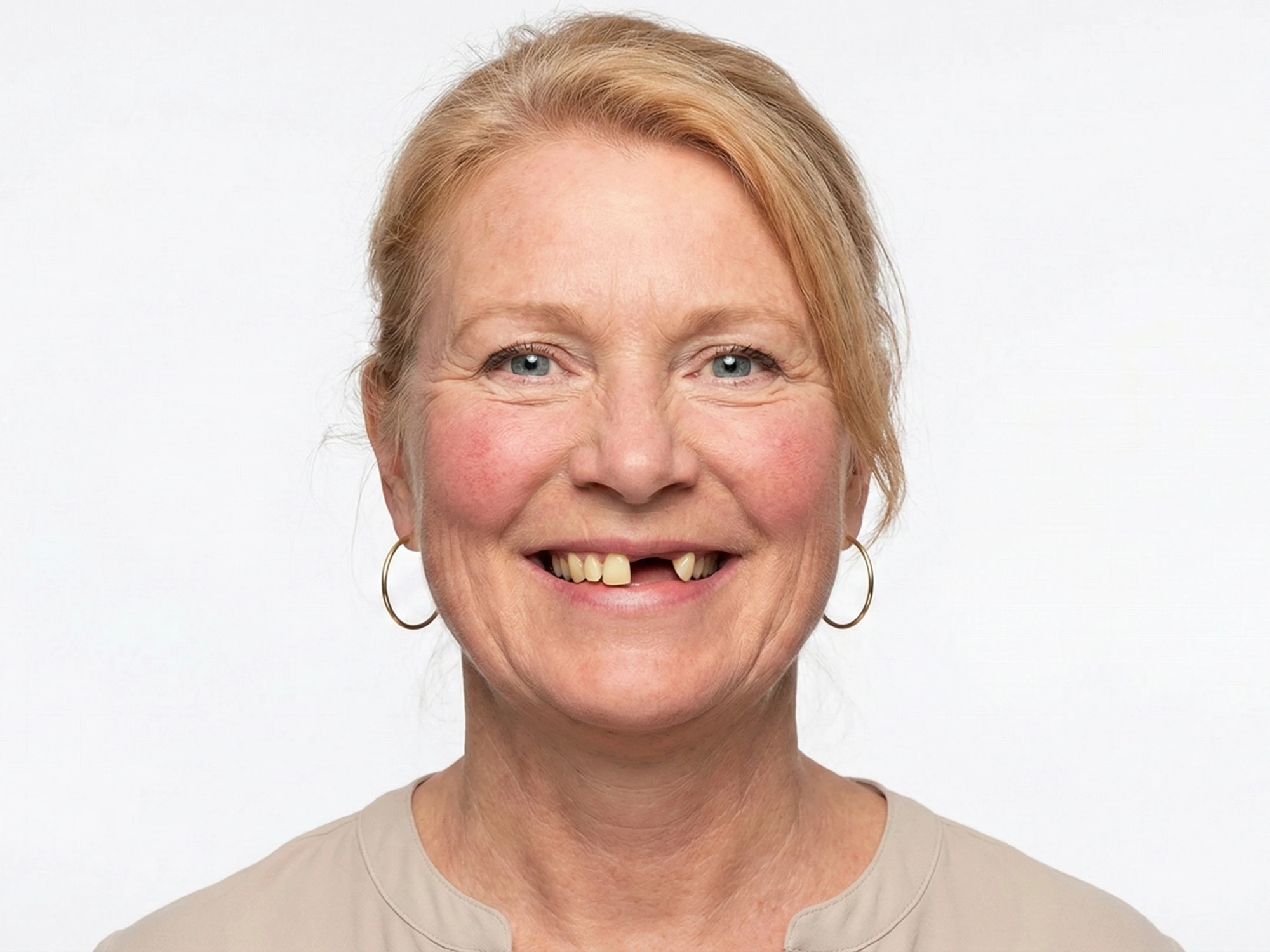
BEFORE
Patient consultation

AFTER
Simulation shown in 30 seconds
"I realized I wasn't saving money by avoiding technology-I was leaving hundreds of thousands on the table. Patients weren't saying no to treatment. They were saying no to uncertainty."
Three months after implementing Xadia, Dr. Martinez's case acceptance jumped to 68%. Her monthly cosmetic revenue increased by $21,000.
"My only regret is that I didn't do this three years ago," she says. "I calculated what I lost by waiting-it was over $400,000."
Different Types of Smile Visualization
Understanding your options is the first step to making the right choice...
(Verbal Descriptions Only)
Pros:
- No software cost
- No training required
Cons:
- Patients can't visualize outcomes
- Highest decline rates
- Losing to competitors who show simulations
(Generic Photos)
Pros:
- Low cost
- Better than nothing
Cons:
- Not personalized ("that's not MY smile")
- Limited impact on decisions
- Can feel misleading
(Photoshop, etc.)
Pros:
- Personalized results
- Creative control
Cons:
- Requires design skills
- Some practices report 15-30 min per simulation
- Inconsistent quality
- Staff time = hidden cost
(Legacy Systems)
Pros:
- Dental-specific
- Some integrations
Cons:
- Complex to learn
- Slow turnaround
- Often requires desktop
- Dated interfaces
(Xadia)
Pros:
- 30-second simulations
- No design skills needed
- Consistent quality
- Shareable patient links
- Remote photo capture
- Built-in analytics
Cons:
- Requires monthly plan
Xadia vs. Traditional Methods
A side-by-side comparison
| Feature | Traditional Methods | Xadia |
|---|---|---|
| Simulation Time | Typically 15-30 minutes | 30 seconds |
| Skill Required | High (design skills needed) | None (automated) |
| Consistency | Varies by operator | Consistent quality |
| Patient Sharing | Email attachments | Shareable web links |
| Remote Photo Capture | Not available | Built-in feature |
| Results Tracking | Manual | Built-in analytics |
| Training Time | Days to weeks | Minutes |
| Hidden Labor Costs | Estimated $200+ per simulation | Included in plan |
| HIPAA Compliance | Varies | Built-in |
Why Xadia Actually Costs Less
Despite superior results
Here's what doesn't make sense to most practice owners:
We deliver instant simulations in 30 seconds, include shareable patient links, provide remote photo capture, and maintain HIPAA-compliant infrastructure.
Logic says this should cost MORE, right?
What practice owners assume: "Xadia MUST cost more than doing it manually because it's faster and better."
The reality: Xadia often costs LESS than the hidden labor costs of manual methods.
The Hidden Economics
- Estimated 15-30 min staff time per simulation
- Training and skill development
- Software licenses (Photoshop, etc.)
- Inconsistent quality = remakes
- No sharing = missed family decisions
Estimated true cost: up to $200+ per simulation (staff time + materials)
- Automated in 30 seconds
- Zero training required
- All-inclusive pricing
- Consistent quality every time
- Shareable links for family buy-in
Xadia: From $299/month (78+ simulation cores)
The math is simple: One additional accepted case (average $4,000) pays for 350-430 simulations.
One additional accepted case can cover months of Xadia.
Full Pricing Breakdown
Transparent pricing with no hidden fees
| Plan | Monthly | Cores |
|---|---|---|
Foundation Solo practitioners and small practices | $299 | 26 cores/mo |
Momentum Growing practices ready to scale | $690 | 65 cores/mo |
EstablishedPopular Established practices | $1,490 | 147 cores/mo |
Multi-Clinic Multi-location practices | $4,390 | 449 cores/mo |
Enterprise
For DSOs and multi-clinic groups with 1,000+ monthly simulation cores
Custom pricing - 1,000+ cores/month with volume discounts
Premier Network
True enterprise floor pricing for 2,000+ monthly simulation cores
Custom pricing - 2,500+ cores/month with maximum volume discounts
HIPAA Compliant
All plans include enterprise-grade security
Team Access
Multiple seats included in every plan
No Contracts
Cancel anytime, no long-term commitment
Key Points
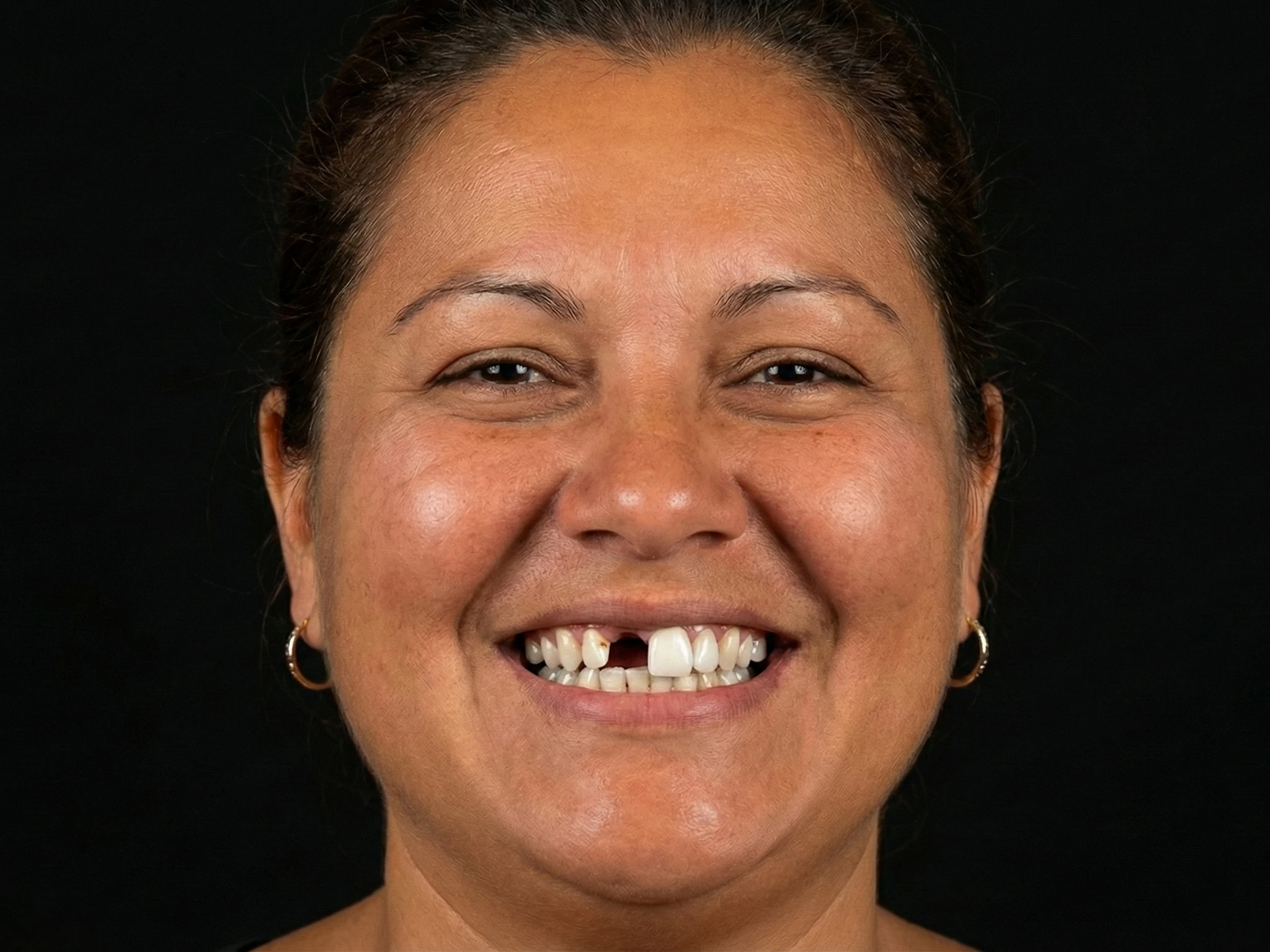
BEFORE
Starting point
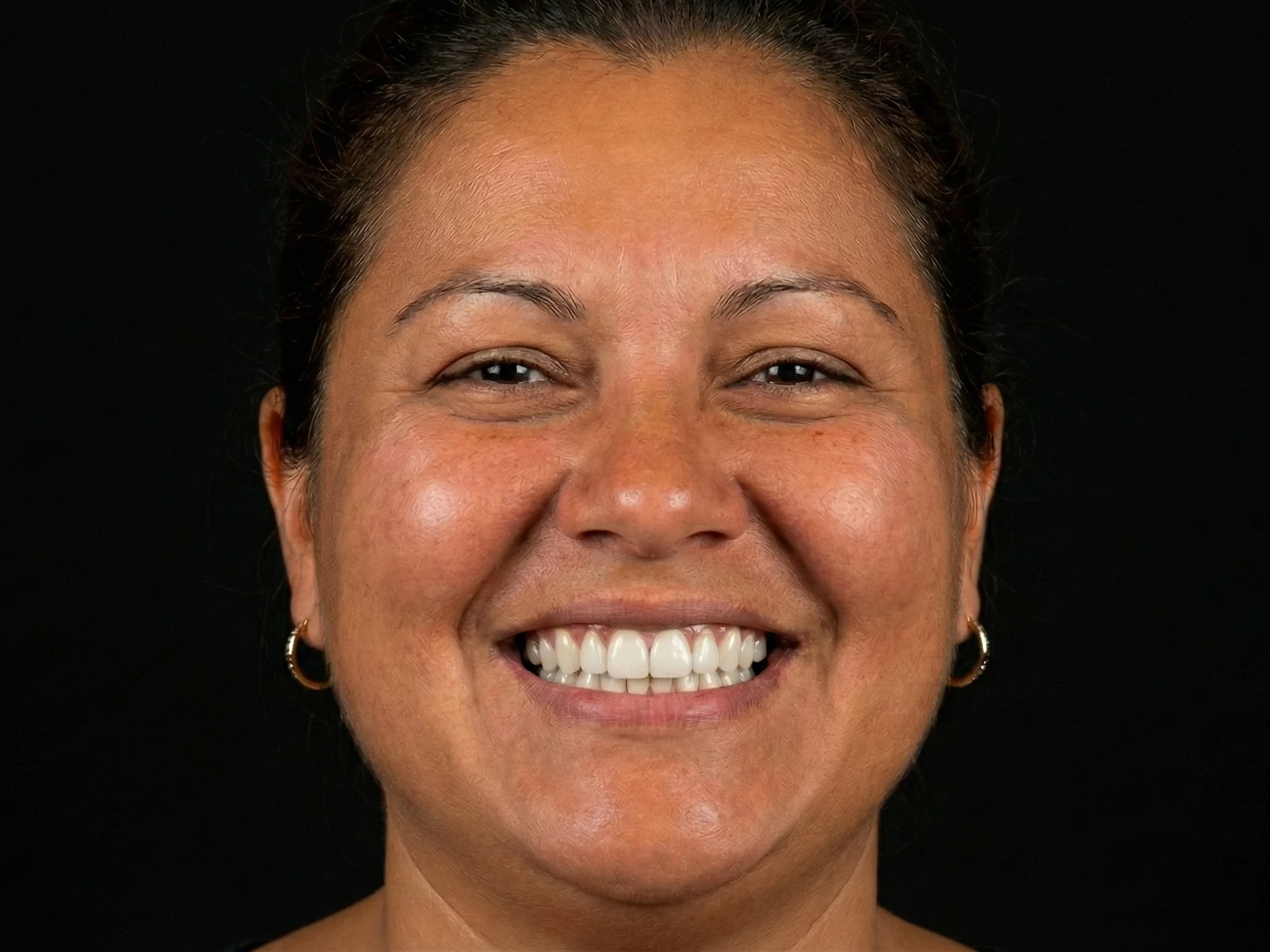
AFTER
Xadia smile simulation
Show patients their potential results instantly
- Xadia delivers smile simulations in 30 seconds
- All-inclusive pricing with no hidden fees
- Visual tools shown to increase case acceptance by up to 24% (see sources)
- One additional accepted case per month covers the cost of Xadia
- Plans start at $299/month with bonus cores at higher tiers
- HIPAA compliant with team access included
Find Your Revenue Leak — Free Calculator
See exactly how much additional revenue smile simulations could generate for your practice.
Disclaimer: Projections and estimates are based on industry averages and self-reported data. Individual results may vary based on practice-specific factors. See our disclosure for details.
Ready to Stop Losing Cases to
"I Need to Think About It"?
Join the practices that show patients their future smile instead of just describing it.
Sources & References
* Industry statistics referenced in this guide are based on published research and vendor data. Individual practice results depend on implementation, patient demographics, and practice-specific factors. The illustrative calculations use conservative assumptions and are not guarantees of specific outcomes.