
Smile Simulation in Practice: How Dental Practices Close More Cases with Visual Simulation
See how dental practices can use smile simulation to improve case acceptance and patient confidence
*These case studies are illustrative examples based on common practice scenarios, not specific customer results.
Cosmetic Veneers

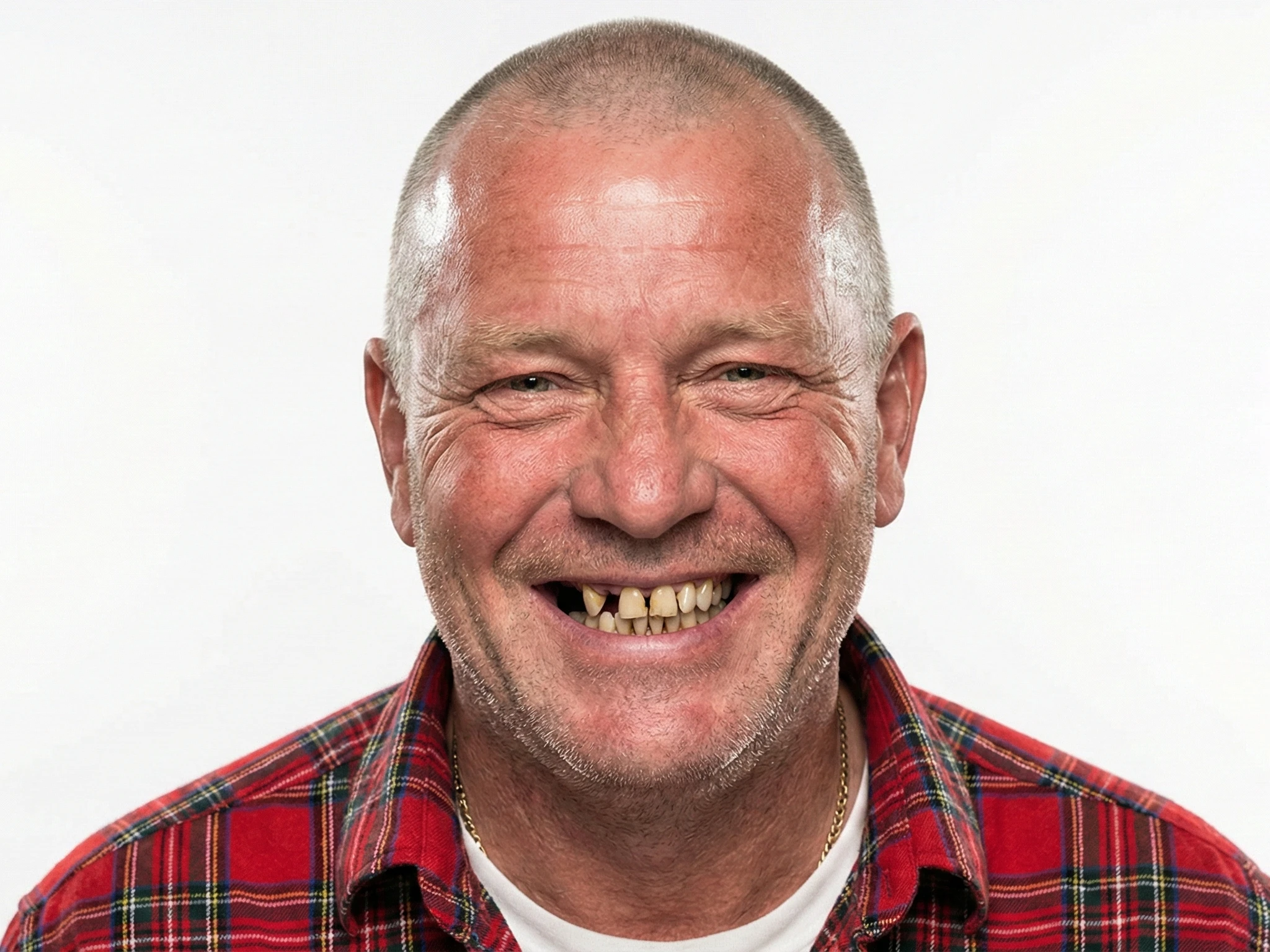
Patient Concern
Patient wanted a complete smile makeover but was hesitant about the cost and uncertain about what the results would look like.
How Simulation Was Used
The dentist created an AI smile simulation during the initial consultation, allowing the patient to see their potential result in under 60 seconds.
Outcome
Patient approved a full veneer case the same day. The simulation helped them visualize the value and feel confident in their decision.
Smile Makeover
Patient Concern
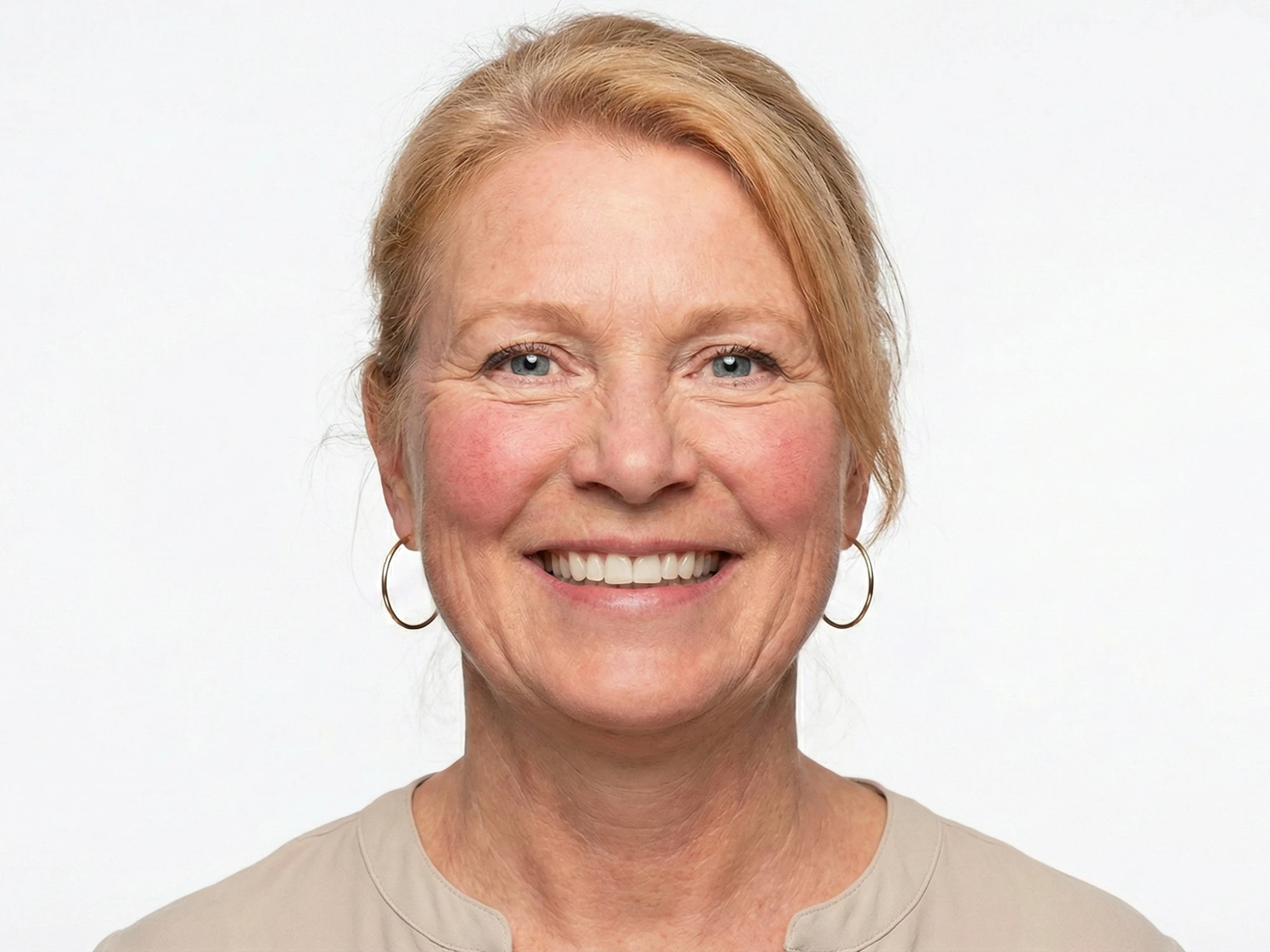
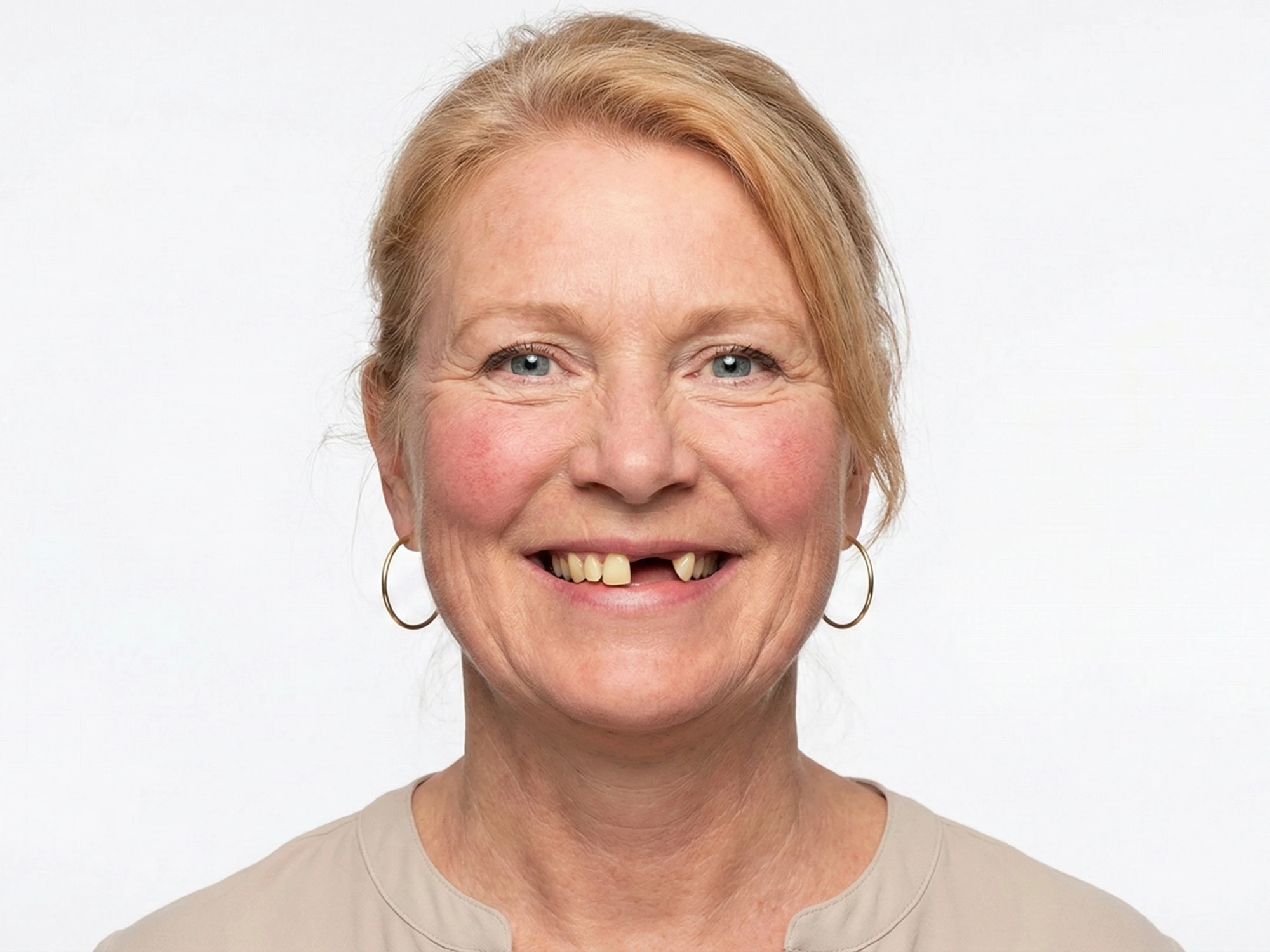
Patient had been considering a smile makeover for years but kept delaying. Previous consultations at other practices didn't give them confidence in the outcome.
How Simulation Was Used
Created a personalized simulation and shared it digitally so the patient could show family members at home.
Outcome
Patient returned within a week with family support and proceeded with treatment. The shareable simulation was the deciding factor.
Across Practices Using Visual Simulation Tools...
Published research supports the effectiveness of visual aids in patient communication and treatment decision-making.
Visual Communication Improves Understanding
Research shows that patients who view visual representations of their treatment outcomes demonstrate significantly better comprehension and recall compared to verbal explanations alone.
Houts et al., 2006
Visualization Drives Action
Studies in behavioral psychology demonstrate that outcome-based mental simulations increase motivation and follow-through on decisions, including healthcare commitments.
Pham & Taylor, 1999
Shared Visuals Support Family Decision-Making
When patients can share visual treatment previews with family members, it facilitates the shared decision-making process that research shows is central to healthcare choices.
Charles et al., 1997
Sources & References
Legal Disclaimer
Case studies shown are representative examples created for educational purposes. Before/after images are AI-generated smile simulations and do not depict actual patient treatment results. Individual outcomes depend on patient anatomy, treatment plan, provider skill, and other factors.
The use of before/after comparisons is for illustrative purposes only and does not imply that specific results can be achieved. This content is provided for informational and educational purposes only and does not constitute dental, medical, or business advice.
Xadia is a software platform for dental professionals. By accessing this content, you agree to our Terms of Service and Privacy Policy.